
Botox is a popular injectable treatment for softening dynamic wrinkles and creating a smoother, refreshed appearance. While the procedure is quick and requires little downtime, what you do afterward can help minimize irritation, bruising, and other temporary side effects.
Botox works by temporarily relaxing targeted facial muscles. Most people can return to everyday activities soon after treatment, but certain precautions are recommended during the first several hours. Understanding what not to do after Botox can help you protect the treated areas and allow the product to settle properly.
One of the most important aftercare steps is avoiding unnecessary pressure on the treated areas. Rubbing, massaging, or pressing the skin can potentially affect how the product settles around the injection sites.
You can generally wash your face, but be gentle. Avoid vigorous cleansing, facial massage, or anything that puts significant pressure on areas where Botox injections were administered.
It is also best to avoid scheduling a facial, facial massage, or similar treatment immediately after Botox. These services involve manipulation of the skin and may cause unnecessary irritation during the early recovery period.
Strenuous exercise is commonly discouraged shortly after Botox. Physical activity can increase circulation and may contribute to redness or bruising around the injection sites.
The American Academy of Dermatology recommends waiting at least two hours before strenuous physical activity, while some providers recommend waiting longer, particularly after treatment in areas that are prone to swelling or bruising.
For this reason, consider scheduling your Botox appointment at a time when you can keep your activity level light for the remainder of the day. Walking and normal daily activities are generally acceptable unless your provider gives you different instructions.
Another common recommendation is to remain upright for several hours after Botox treatment. Avoid lying flat immediately after your appointment and try not to spend extended periods bending your head downward.
Many providers recommend staying upright for approximately three to four hours. The goal is to minimize unnecessary pressure on the treated areas while the injections settle.
This does not mean you need to remain completely still. Normal facial expressions and gentle everyday movement are generally fine. The main concern is avoiding prolonged pressure or manipulation of the treated areas.
Some activities can increase flushing, circulation, or bruising shortly after injections. Your provider may recommend temporarily avoiding alcohol, saunas, hot tubs, tanning, and significant heat exposure.
Alcohol may increase the likelihood of bruising, while excessive heat can contribute to flushing and discomfort. It is also wise to postpone treatments that involve significant facial manipulation, such as massages or facials, until the initial aftercare period has passed.
A simple approach during the first day is to keep your routine comfortable and avoid activities that place unnecessary stress on the treated areas.
Mild redness, swelling, soreness, or bruising can occur around the injection sites. These effects are generally temporary and often improve within a few days.
Botox does not produce its complete effect immediately. Initial improvements may become noticeable within several days, with results continuing to develop over the following one to two weeks. The American Academy of Dermatology notes that results commonly last about three to four months, although individual experiences can vary.
Minor irritation is usually expected, but unusual or severe symptoms should not be ignored. Difficulty breathing, swallowing, or speaking requires prompt medical attention because these can be signs of a rare but serious reaction to botulinum toxin.
Your provider can also help determine whether unexpected swelling, significant discomfort, or changes around the eyes or brows require evaluation.
Good aftercare is only one part of achieving natural-looking Botox results. Proper injection technique, appropriate dosing, and treatment planning are equally important.
Charles Jovellano, MS, FNP BC, a dermatology-trained nurse practitioner, focuses on individualized cosmetic treatment based on facial anatomy and aesthetic goals. Following personalized instructions after treatment can help support a smooth recovery and allow the results to develop as expected.
At Natural Beauty Fifth Avenue, Botox treatment is designed to soften dynamic wrinkles while maintaining natural facial movement and expression. Knowing what to avoid after Botox can make the recovery period easier and help you feel more confident about your results.
Knowing what not to do after Botox can help support a smooth recovery and protect your treatment results. Avoid rubbing or massaging the treated areas, strenuous exercise immediately after treatment, prolonged pressure on the face, and excessive heat or alcohol during the initial aftercare period. Following your provider’s instructions can help minimize temporary side effects and allow the treatment to settle properly.
At Natural Beauty Fifth Avenue, personalized Botox guidance helps patients understand what to expect before and after treatment. If you have concerns about your recovery or results, speak with your provider for advice based on your individual treatment plan.
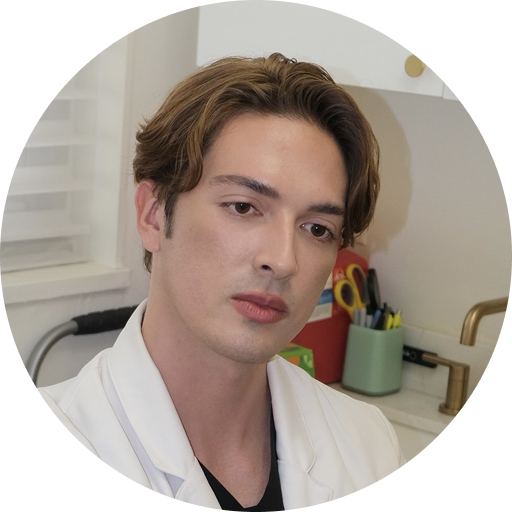
About the Author
Charles Jovellano, MS, FNP-BC
Known for his empathetic approach and meticulous attention to detail, Charles consistently delivers outstanding, natural-looking results. He speaks English and Tagalog.
Schedule Your Comprehensive Consultation
August 25, 2026